
Pond House: the finer details 30.09.2026
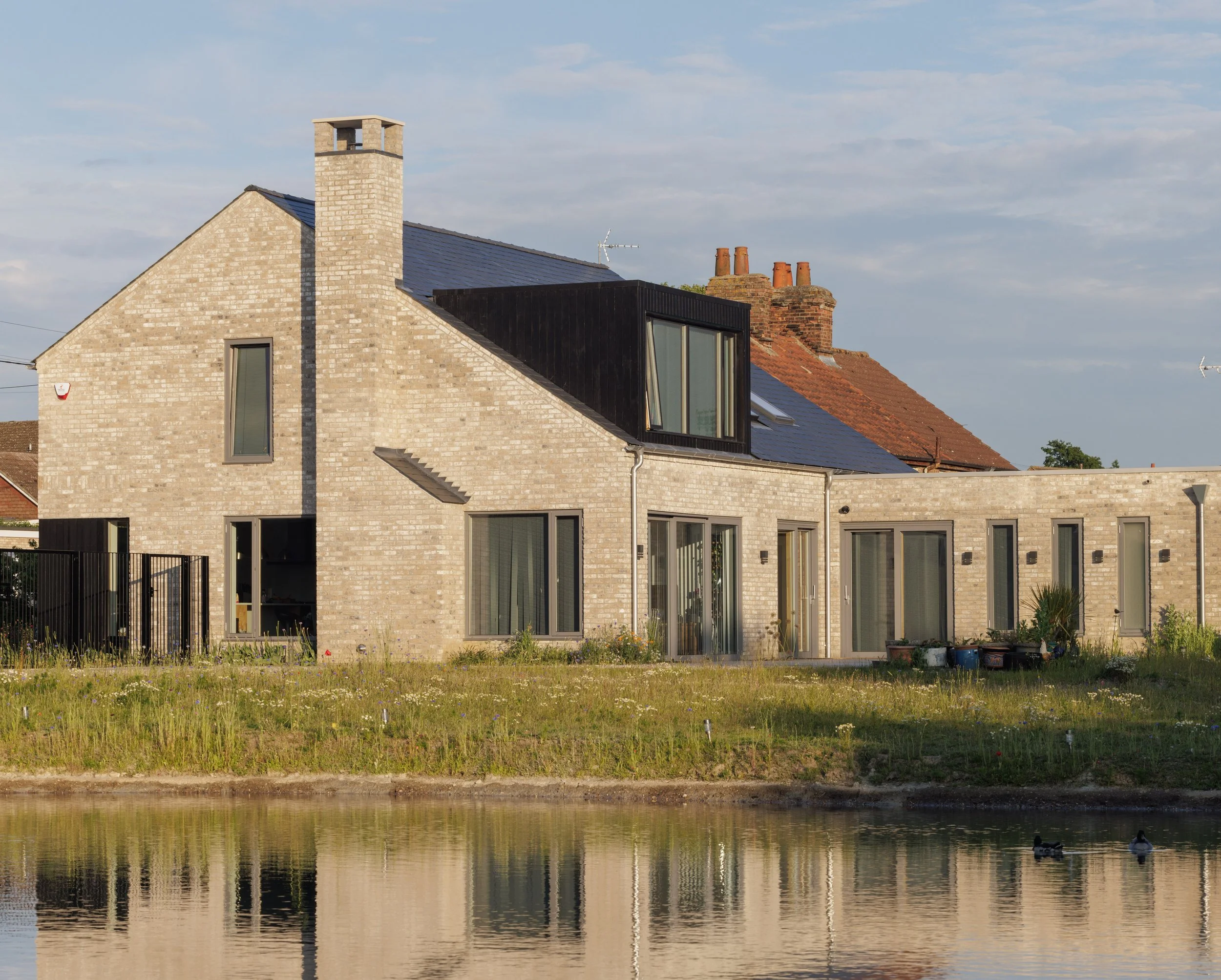
Pond House Exterior
Taking inspiration from the past
Traditional buildings often feature small details that give them character and demonstrate careful thought in their design. These were qualities we wanted to incorporate into the design of Pond House.
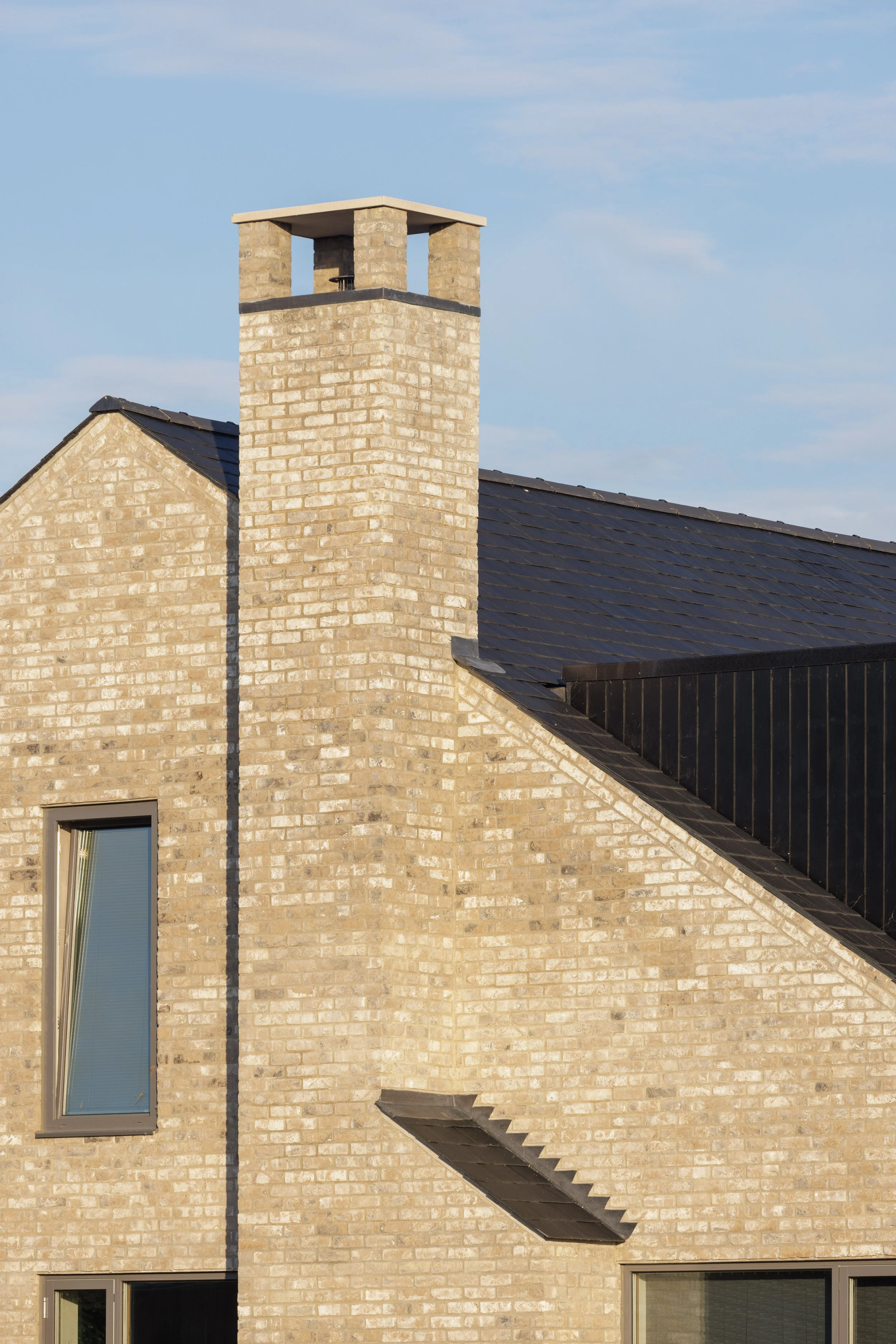
The chimneys and of the other architectural details were inspired by the older buildings surrounding the site. Rather than making the house feel overly modern or out of place, these features help it sit comfortably within its surroundings. The aim was to create a contemporary home that also reflects the familiar features and distinctive character of the local area.
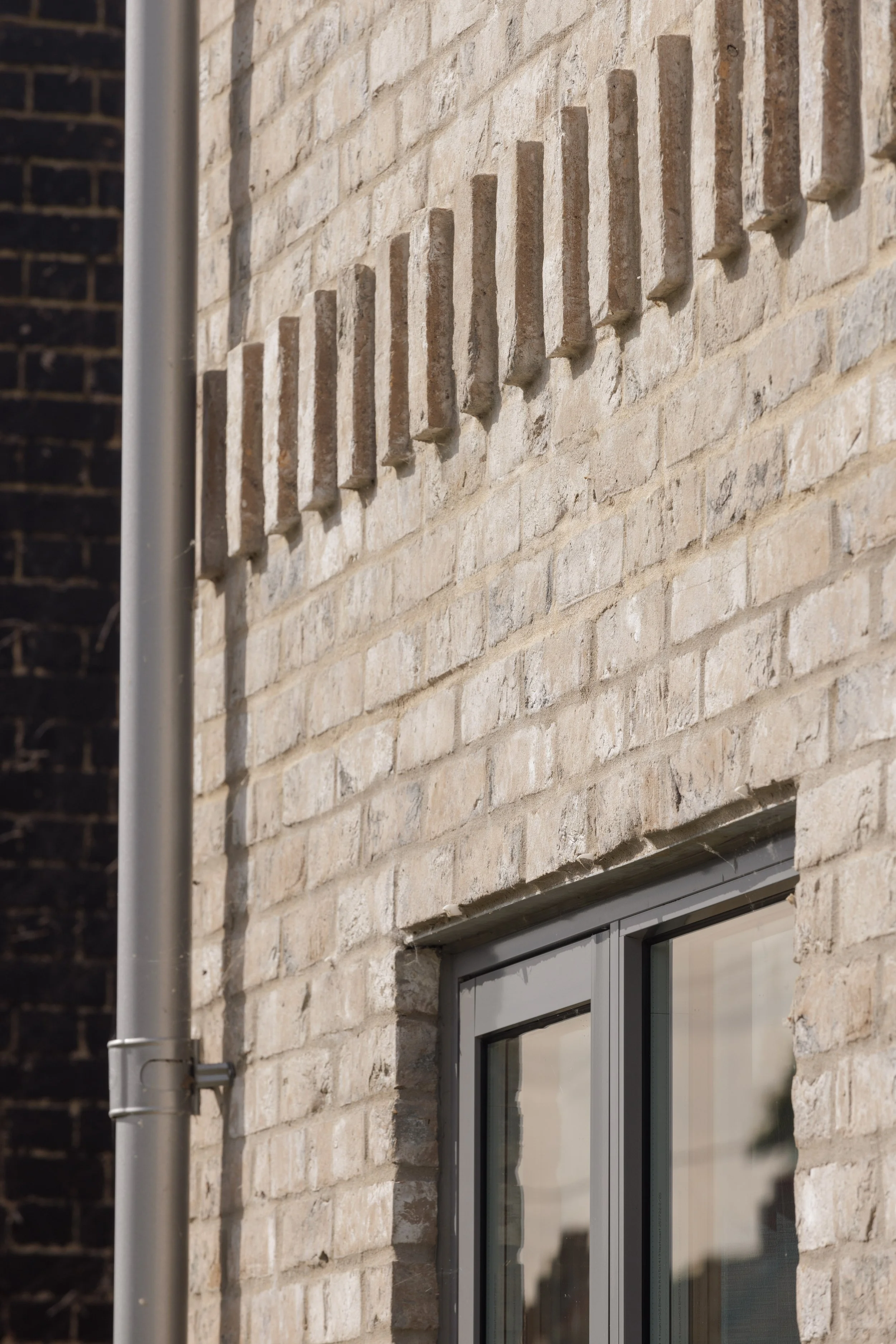
Quality in every detail
Good detailing is about more than how individual elements look. It is about how they work together. At Pond House, the materials, windows, roof forms and other features were considered as part of the wider design, so that each element feels like it belongs.The chimneys, timber cladding, windows and dormers are good examples. Each adds character to the building, but their proportions, position and materials have also been considered alongside one another. This helps the house feel cohesive rather than like a collection of separate features.
You can see this when you look more closely at the project. The way materials meet, how windows sit within the walls and how the different parts of the building come together have all been carefully worked through.
These details might not be the first things you notice, but they contribute to how the building looks and feels as a whole. They are not simply there to add visual interest; they are an important part of the design and help the house sit comfortably within its surroundings.
Visible details vs invisible details
When you look at a building, it is often the details you notice first but there is another side to good detailing that you do not necessarily see. Insulation, airtightness and how the building is put together all have a part to play in how the house performs over time. They can affect how comfortable it is to live in, how much energy it uses and how easy it is to maintain.
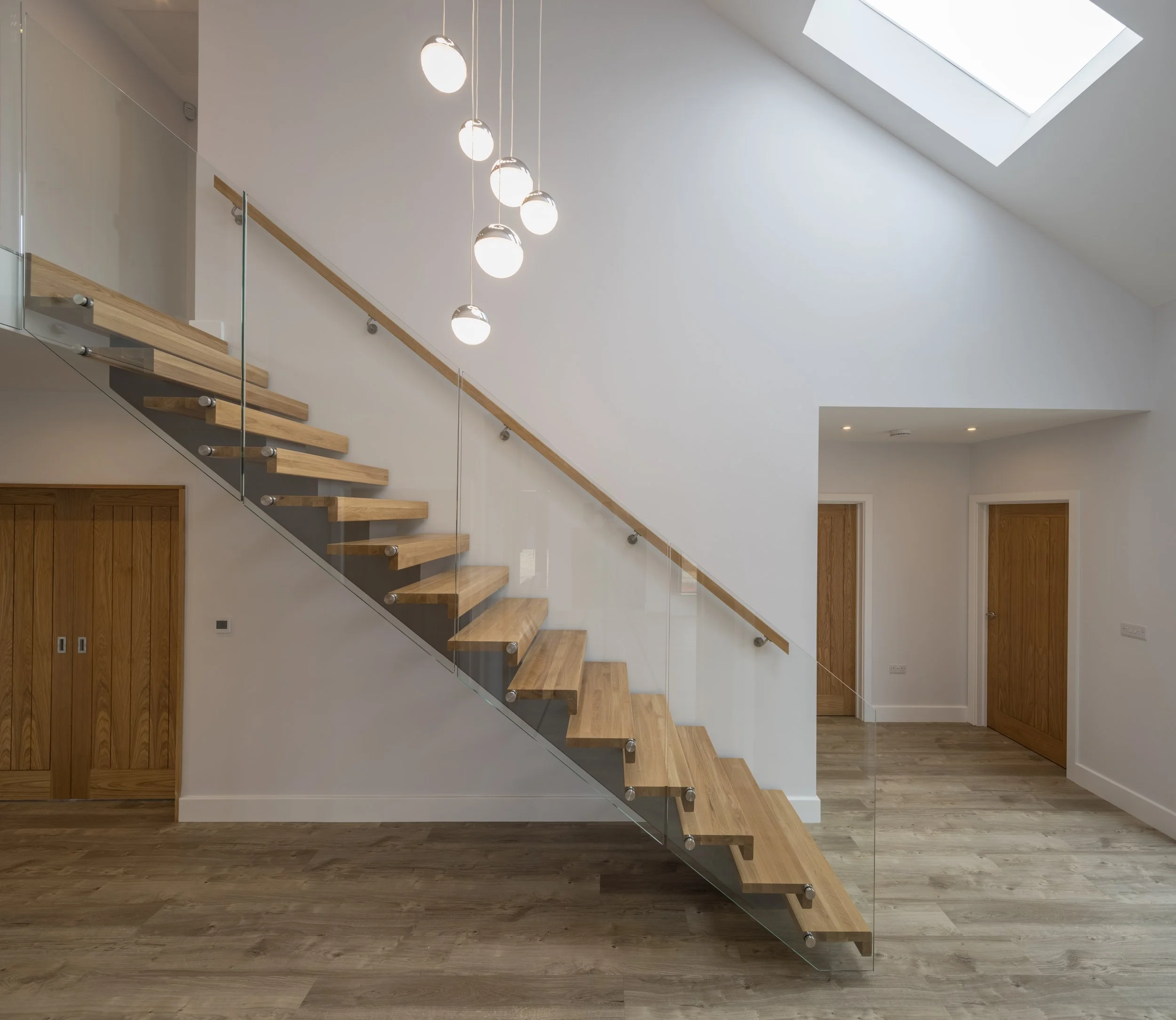
These factors may not be as obvious as a chimney or a well-made junction, but they are just as important. The aim is to create a building that looks good, works well and continues to do so for years to come.
Why Stage 4b matters
Stage 4b is where many of the finer design decisions are worked out. By this point, the overall design is established, but there is still plenty to consider before construction begins. It is about looking beyond how something appears on a drawing and thinking about how it will actually come together on site. How do two materials meet? How will a window sit within the wall? How does the roof connect to the rest of the building? These details might seem small, but they can make a big difference to the finished building.
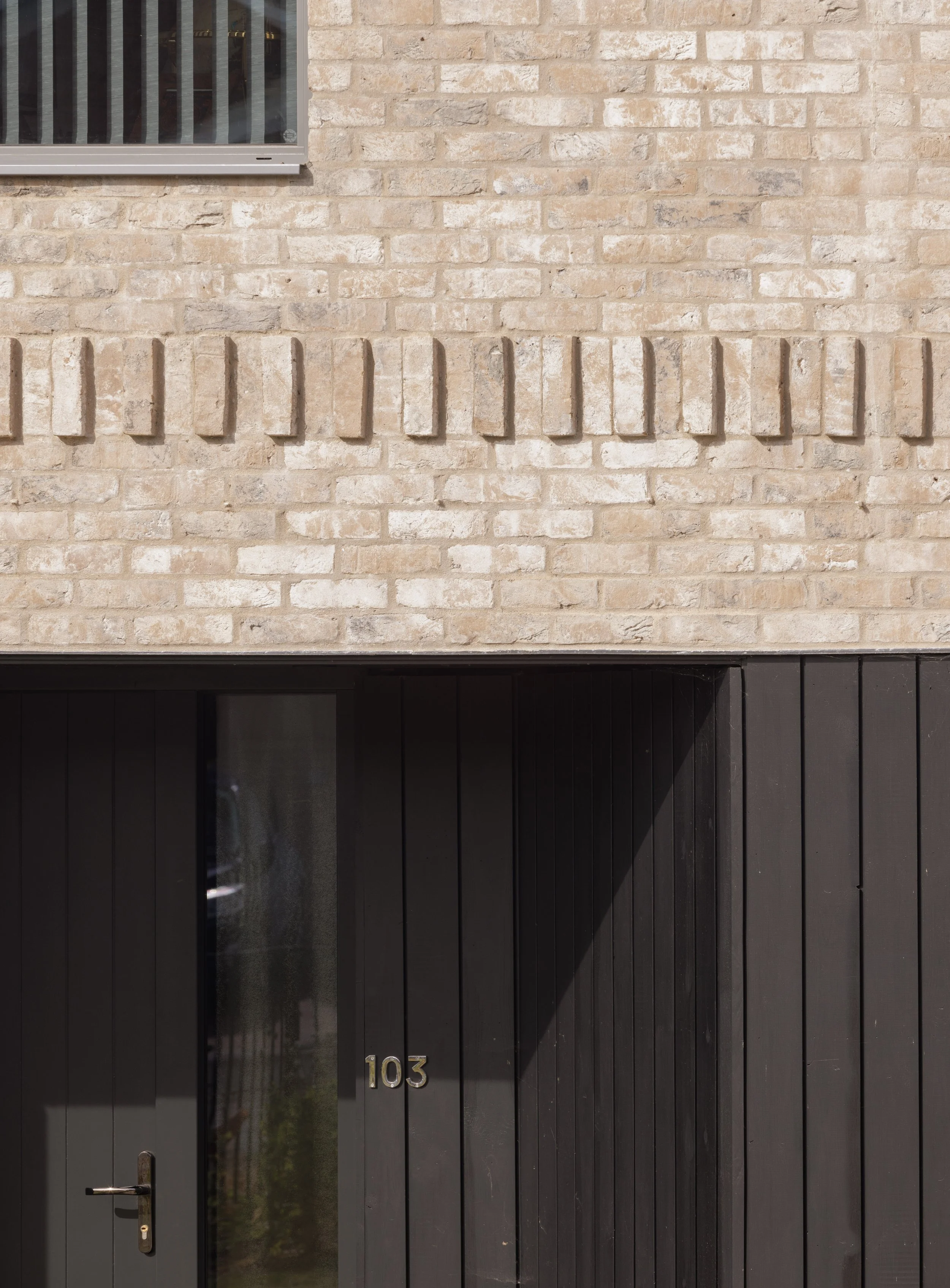
Working through these decisions before construction begins means there is less need to make them on site. It can help avoid changes and compromises later, while making sure the different parts of the design work together as intended. At Pond House, this was particularly important. The building has a number of details that give it its character. Taking the time to work these through properly helps ensure the finished building reflects the original design.
Stage 4b might not be the most visible part of the design process, but it is an important one. Getting the details right before work starts gives the project the best chance of being built well and achieving the quality intended from the beginning.